
Loading…
Loading…
Loading…
Loading blog…
Blog
By Ramana Machines · September 16, 2026
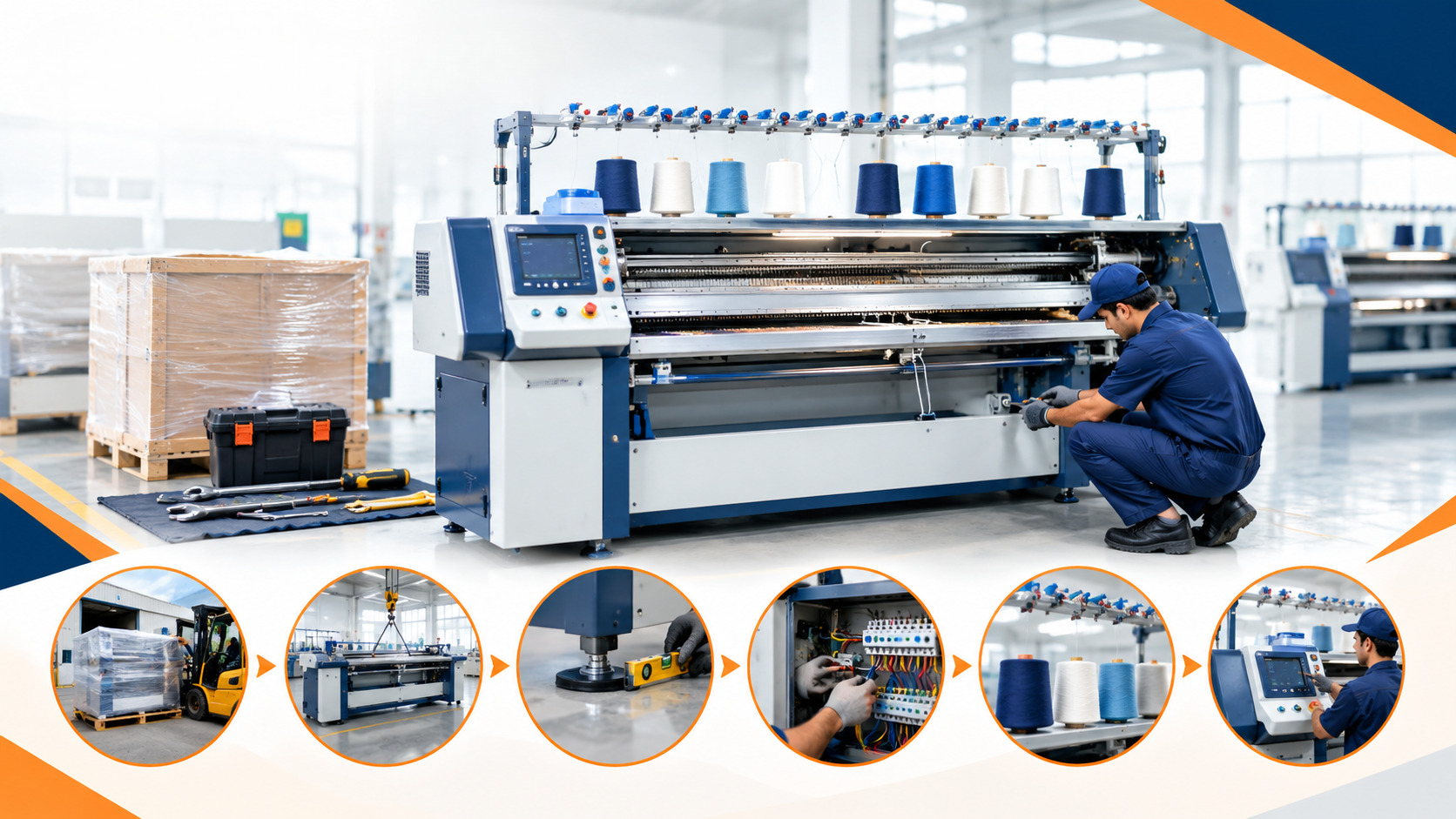
Learn how to operate a flat bed knitting machine with this beginner's guide covering yarn preparation, threading, machine and stitch settings, production, and output monitoring.
Operating a flat bed knitting machine requires a basic understanding of yarn preparation, machine settings, stitch control, and production monitoring. For a new operator, following a consistent procedure is important because small mistakes in yarn threading or machine settings can affect fabric quality.
This beginner's guide explains the basic operating process from preparing the yarn to monitoring the finished output.
Start by selecting yarn that is suitable for the machine, gauge, and product being produced. Check the yarn package for visible damage, contamination, or irregular winding.
Before loading the yarn, check:
Good yarn preparation helps provide smoother feeding and reduces avoidable interruptions during knitting.
After preparing the yarn, guide it through the machine's yarn path according to the machine instructions.
The yarn may pass through several guides and feeding components before reaching the knitting area. Make sure it follows the correct path and is not trapped, twisted, or rubbing against an unsuitable surface.
Before starting the machine, check that:
Incorrect threading can cause yarn breakage, uneven stitches, or interruptions during production.
Before knitting, review the basic machine settings according to the product and yarn being used.
Depending on the machine, settings may include:
Do not use the same settings for every yarn or product. The correct settings depend on the required fabric structure and production conditions.
Stitch settings have a direct effect on the appearance and structure of knitted fabric. The operator should set the required stitch parameters before beginning the production run.
During setup, consider:
If the machine has electronic controls, the required settings or pattern can be entered through its control system. Operators should understand the settings before changing them during production.
Once the yarn and machine settings have been checked, begin with a short test rather than immediately starting a full production run.
Observe the first few rows carefully. Check whether the yarn is feeding correctly and whether the needles and carriage are operating smoothly.
Look for:
If the test is satisfactory, production can be continued according to the required program.
Starting the machine correctly is only part of the operator's responsibility. The fabric should be monitored throughout production.
Regularly check the knitted fabric for changes in appearance, stitch consistency, holes, yarn problems, or other defects.
Operators should also watch for:
If a problem appears, stop the machine when necessary and identify the cause before continuing production.
Operating Step | Check |
| Yarn prepared | ☐ |
| Yarn path checked | ☐ |
| Yarn correctly threaded | ☐ |
| Machine settings reviewed | ☐ |
| Stitch settings adjusted | ☐ |
| Test knitting completed | ☐ |
| Fabric quality checked | ☐ |
| Production started | ☐ |
| Output monitored | ☐ |
| Problems recorded and addressed | ☐ |
New operators should avoid making major machine adjustments without proper training. They should also avoid changing several settings at the same time because it can make it difficult to identify the cause of a fabric problem.
Other common mistakes include:
If a component needs replacement, keeping commonly required parts available can reduce unnecessary production delays. A dependable textile machinery spare parts supplier can help with access to suitable replacement components.
Operators can handle normal machine operation and basic checks after receiving proper training. However, technical support may be required for electrical faults, control-system problems, mechanical issues, repeated needle damage, or problems that cannot be resolved through normal adjustments.
When purchasing equipment, it is useful to choose a supplier or distributor that can provide installation assistance, training, spare parts, and after-sales support. This becomes particularly important when introducing a new machine or control system.
Ramana Machines helps textile businesses with the sourcing and supply of knitting machinery, including support for machine selection, installation, operator training, spare parts, and after-sales technical assistance. As a computerized flat bed knitting machine distributor, Ramana Machines can also assist customers in understanding suitable machine options and setup requirements based on their production needs.
Related
16 Oct 2026
16 Oct 2026
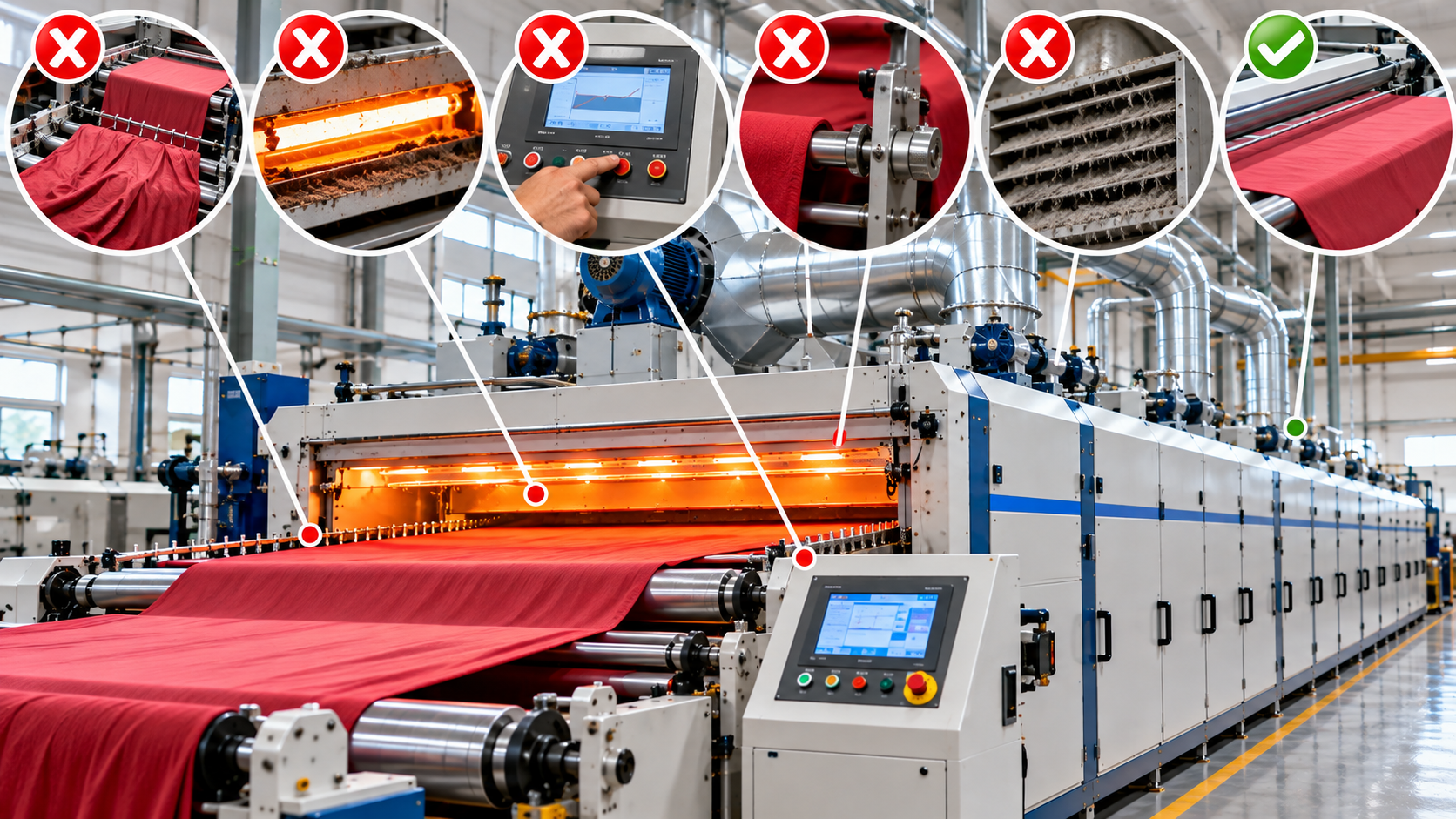
Incorrect temperature, fabric tension, overfeed, and airflow settings can affect stenter machine performance and fabric quality. Learn the common operating mistakes to avoid and how regular maintenance and correct settings can improve textile finishing results.
View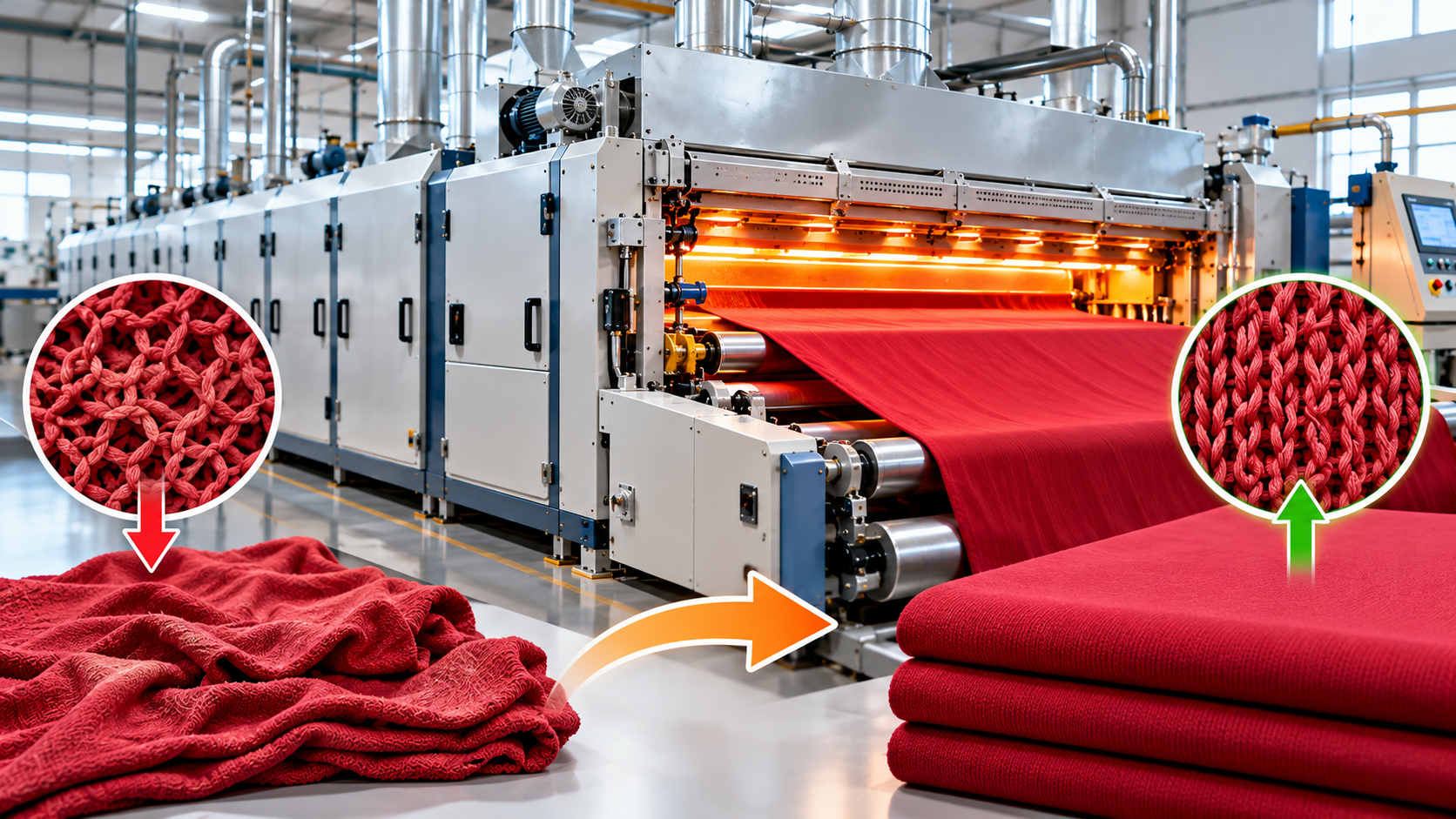
16 Oct 2026
16 Oct 2026
A stenter machine helps textile manufacturers control fabric width, manage tension, and apply controlled heat during finishing. Learn how temperature, overfeed, airflow, and proper machine settings support dimensional stability and help reduce unwanted shrinkage.
View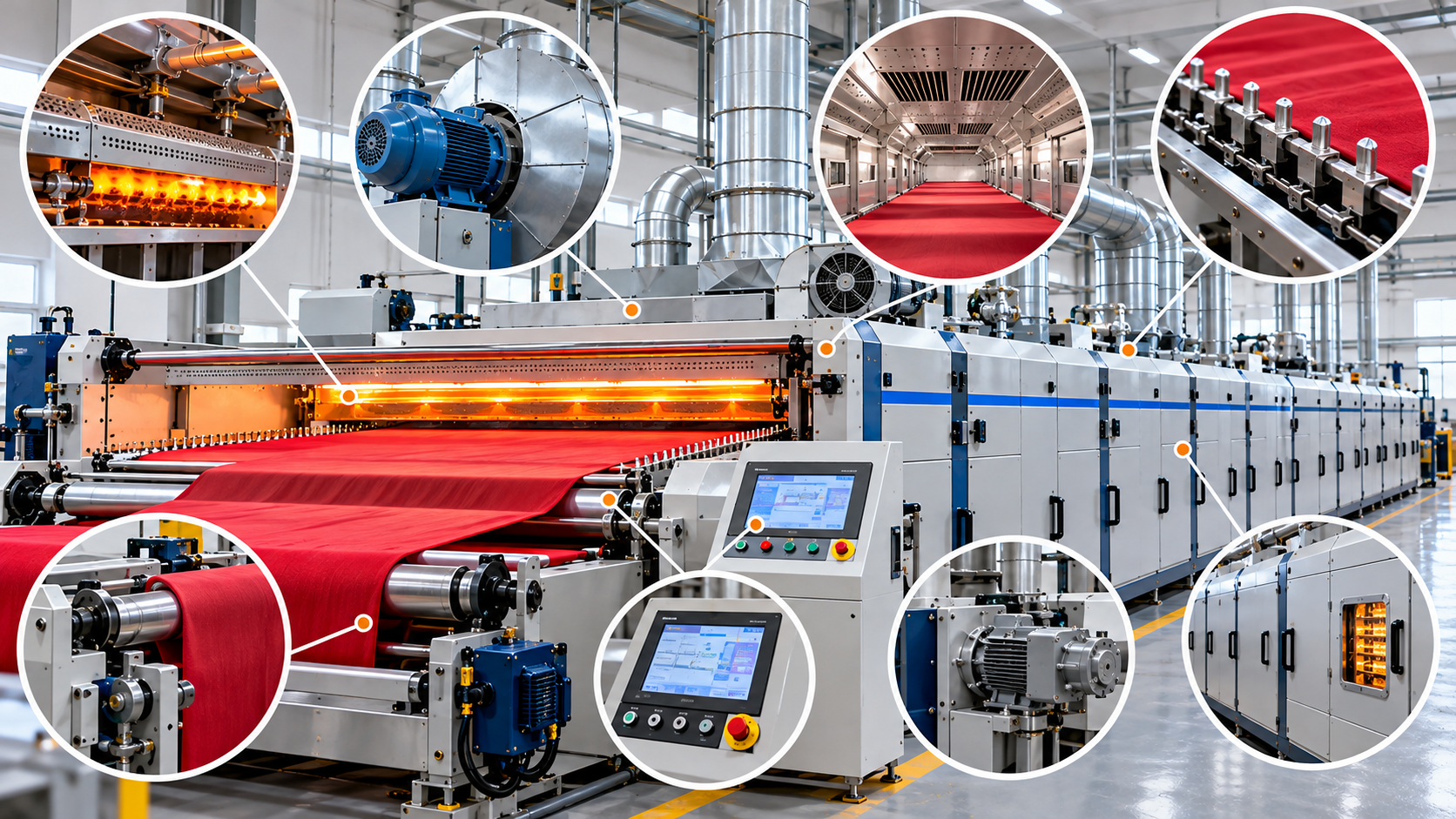
16 Oct 2026
16 Oct 2026
Planning to buy a stenter machine? Learn how to compare working width, temperature control, heating systems, production speed, airflow, energy consumption, safety features, and maintenance support to find the right machine for your textile production needs.
View