
Blog
How to Fix Uneven Dye Absorption in Textile Dyeing
By Ramana Machines · October 14, 2026
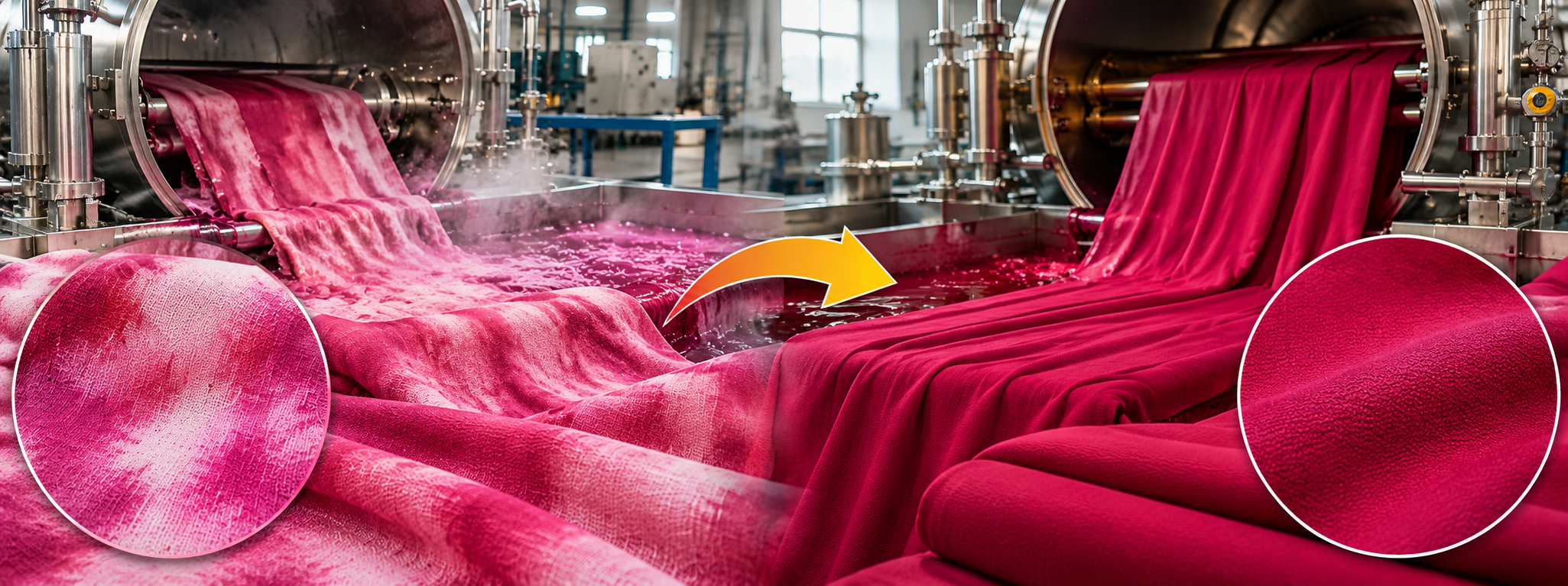
Uneven dye absorption can cause patchy colours, streaks, and fabric quality issues. Learn how to identify the causes and improve dyeing results through better fabric pretreatment, correct chemical dosing, temperature control, proper dye liquor circulation, and regular textile dyeing machine maintenance.
Uneven dye absorption is a common problem in textile dyeing. It occurs when some parts of the fabric absorb more dye than others, resulting in patchy colours, shade variations, light spots, or dark areas. These defects can affect fabric quality, increase production costs, and lead to material wastage.
The good news is that most dye absorption problems can be reduced by checking fabric preparation, dye concentration, water quality, temperature, and machine settings. Understanding the cause helps textile manufacturers maintain consistent colour and improve production efficiency.
What Causes Uneven Dye Absorption in Textile Dyeing?
Before finding a solution, it is important to identify why the fabric is not absorbing dye evenly. The problem can occur at different stages of the dyeing process.
1. Poor Fabric Preparation
Fabric that contains oil, wax, dirt, or other impurities may not absorb dye uniformly. If the scouring and washing processes are incomplete, some areas may resist the dye.
2. Incorrect Dye Concentration
An incorrect dye-to-water ratio or poorly dissolved dye can create uneven colour distribution. If dye particles are not properly mixed, they may settle on certain areas of the fabric.
3. Improper Temperature Control
Temperature affects how quickly dye moves into the fabric. If the dye bath heats too quickly or the temperature varies during processing, some areas may absorb dye faster than others.
4. Uneven Chemical Distribution
Auxiliaries, salts, alkalis, and other chemicals must be added in the correct quantities and at the appropriate stages. Incorrect dosing can affect dye movement and absorption.
5. Poor Liquor Circulation
In a textile dyeing machine, the dye liquor must circulate properly around or through the fabric. Weak circulation, overloaded machines, or blocked filters can prevent the dye from reaching every area evenly.
How to Fix Uneven Dye Absorption
1. Improve Fabric Pretreatment
Start by checking the fabric preparation process. Remove impurities, oils, and other unwanted substances through suitable scouring and washing methods.
Make sure the fabric is properly rinsed before dyeing. For cotton and other natural fibres, appropriate pretreatment is especially important because impurities can interfere with wetting and dye uptake.
Solution: Maintain consistent pretreatment conditions and check fabric absorbency before starting the dyeing process.
2. Prepare the Dye Solution Correctly
Dye should be dissolved and mixed according to the manufacturer's instructions. Undissolved particles can cause spots, streaks, and patchy shades.
Measure the dye and chemicals carefully. Follow the recommended mixing procedure and use suitable filtration when required by the dyeing process.
Solution: Standardise dye preparation, chemical dosing, and mixing time for each production batch.
3. Maintain the Correct Dyeing Temperature
Different dyes and fibres require different temperature conditions. For example, reactive dyes used on cotton and disperse dyes used on polyester have different dyeing requirements.
Follow the recommended heating rate and temperature profile for the selected dye. Avoid sudden temperature changes that can cause rapid or uneven dye uptake.
Solution: Calibrate temperature sensors regularly and monitor the dye bath throughout the cycle.
4. Check Dye Liquor Circulation
Poor circulation can create differences in dye concentration around the fabric. This may result in uneven shades, particularly when the machine is overloaded or the circulation system is not working properly.
Inspect pumps, nozzles, filters, and circulation lines. Also, check whether the fabric load matches the machine's recommended capacity.
Solution: Maintain proper liquor circulation and ensure the fabric moves freely according to the machine's operating requirements.
5. Control Chemical Addition
Adding all chemicals too quickly can sometimes cause sudden changes in pH, dye exhaustion, or dye fixation. This may create uneven absorption, depending on the dye and fibre combination.
Follow the recommended sequence and dosing rate. Use controlled chemical feeding wherever possible.
Solution: Check pH levels, chemical quantities, and dosing times during each batch.
6. Check Water Quality
Water hardness, dissolved minerals, and other impurities can affect dye performance. The impact depends on the type of dye, fibre, and chemicals used.
Test the water regularly and use suitable water treatment when necessary.
Solution: Maintain consistent water quality and follow the dye supplier's recommendations for hardness and other water parameters.
7. Review Machine Loading and Fabric Movement
Overloading a machine can restrict fabric movement and reduce the even distribution of dye liquor. Poor fabric circulation may lead to creases, rope marks, or uneven shades.
Solution: Follow the recommended loading capacity and inspect fabric movement during processing. Keep the machine clean and maintain moving components according to the manufacturer's instructions.
How Can a Textile Dyeing Machine Help Prevent Uneven Dyeing?
A properly maintained textile dyeing machine helps control important process conditions, including temperature, circulation, fabric movement, and chemical distribution. However, machine performance alone cannot guarantee even dye absorption. Fabric preparation, dye selection, and process control are equally important.
To improve dyeing consistency, operators should:
- Check temperature and pH sensors before production.
- Inspect pumps, filters, nozzles, and circulation systems.
- Clean the machine between batches when required.
- Follow standard dyeing recipes for each fabric type.
- Record process parameters and compare them when shade variations occur.
- Schedule preventive maintenance to reduce unexpected machine problems.
When selecting a new dyening machine, manufacturers should also consider the fabric type, production capacity, required temperature range, circulation method, and level of process automation. Choosing equipment that matches production requirements can help improve consistency and reduce avoidable defects.
How to Troubleshoot Uneven Dye Absorption Step by Step
When uneven dyeing appears, avoid changing several process settings at once. A systematic approach makes it easier to identify the actual cause.
- Inspect the fabric: Check whether the problem appears as spots, streaks, patches, or general shade variation.
- Review pretreatment: Confirm that the fabric was properly cleaned and prepared.
- Check the dye recipe: Verify dye concentration, chemical quantities, and the order of addition.
- Review process records: Compare temperature, pH, time, and other parameters with a correctly dyed batch.
- Inspect the machine: Check circulation, filters, sensors, and fabric movement.
- Conduct a controlled trial: Make one appropriate adjustment at a time and test a small sample before changing full-scale production.
If the fabric has already been dyed unevenly, do not immediately repeat the dyeing process. First, determine whether the defect can be corrected safely without damaging the fabric or affecting its strength. Any re-dyeing or stripping treatment should be tested on a sample and carried out according to the dye and chemical suppliers' guidance.
Preventive Maintenance Tips for Textile Dyeing Equipment
Regular maintenance helps keep the dyeing process stable and reduces the risk of uneven colour distribution.
- Clean filters, tanks, nozzles, and relevant circulation components regularly.
- Check pumps, valves, and temperature sensors according to the maintenance schedule.
- Inspect seals and pipelines for leaks or blockages.
- Verify dosing equipment and measurement systems.
- Train operators to follow standard operating procedures.
- Maintain records of machine servicing, dye recipes, and batch quality results.
Preventive maintenance is particularly useful for textile manufacturers handling frequent production runs, different fabric types, or multiple colour shades.
Achieve More Consistent Dyeing Results
Uneven dye absorption can often be controlled by improving fabric pretreatment, preparing dye solutions correctly, maintaining temperature and pH, checking water quality, and ensuring proper dye liquor circulation. Regular machine maintenance and consistent operating procedures also help prevent repeated defects.
For textile manufacturers, the best approach is to identify the root cause before making process changes. This helps reduce fabric rejection, avoid unnecessary reprocessing, and maintain reliable production quality.
Ramana Machines supports textile manufacturers by supplying textile machinery and helping businesses explore equipment suited to their production requirements. If you are planning to upgrade your dyeing or textile processing setup, visit Ramana Machines to explore available machinery and discuss your equipment needs. Businesses searching for textile machinery traders in Ludhiana can also consider their production capacity, technical support requirements, and long-term maintenance needs when choosing a machinery supplier.
Related
More insights
16 Oct 2026
Common Operating Mistakes to Avoid When Using a Stenter Machine
View16 Oct 2026
Common Operating Mistakes to Avoid When Using a Stenter Machine
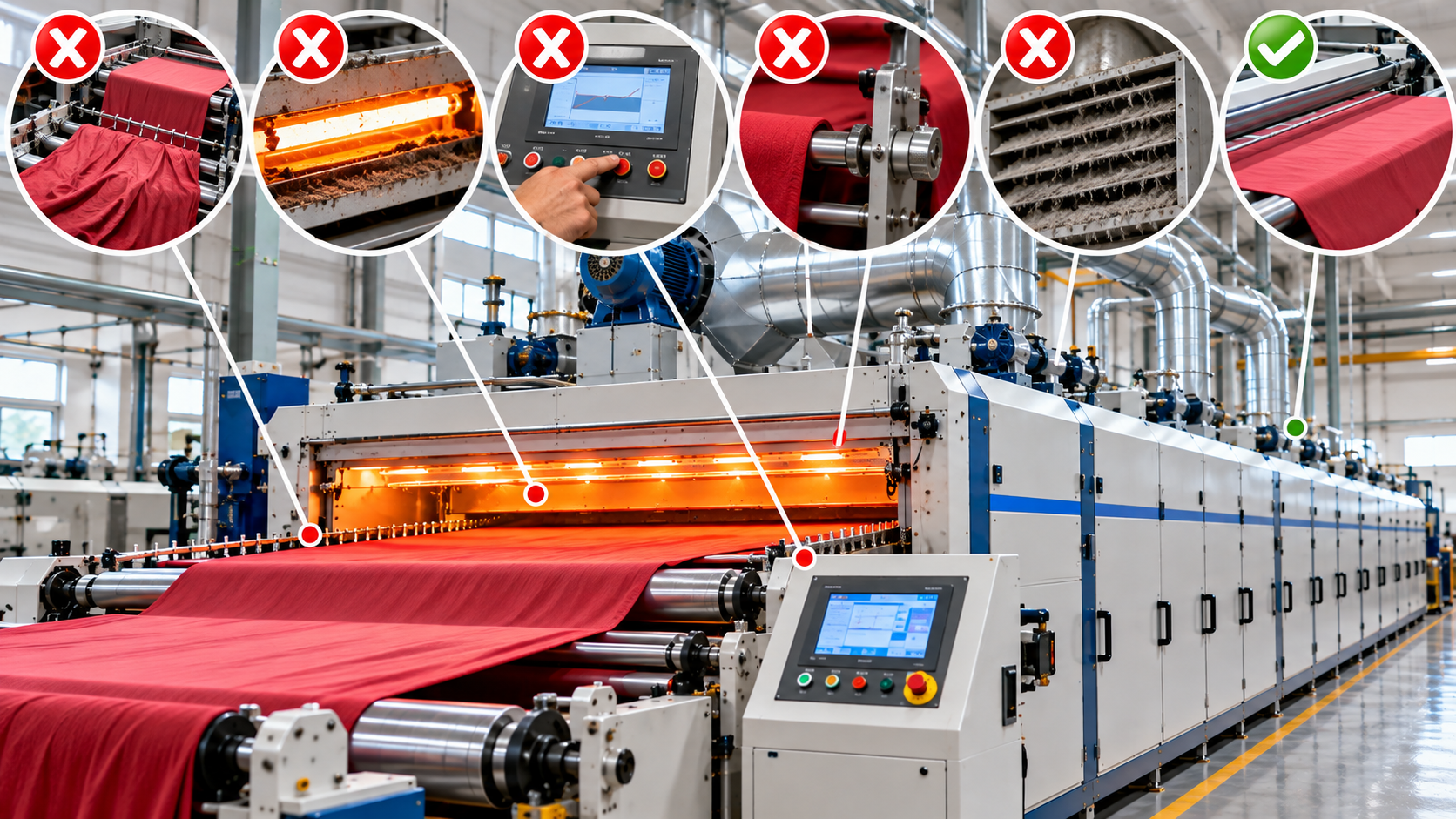
Incorrect temperature, fabric tension, overfeed, and airflow settings can affect stenter machine performance and fabric quality. Learn the common operating mistakes to avoid and how regular maintenance and correct settings can improve textile finishing results.
View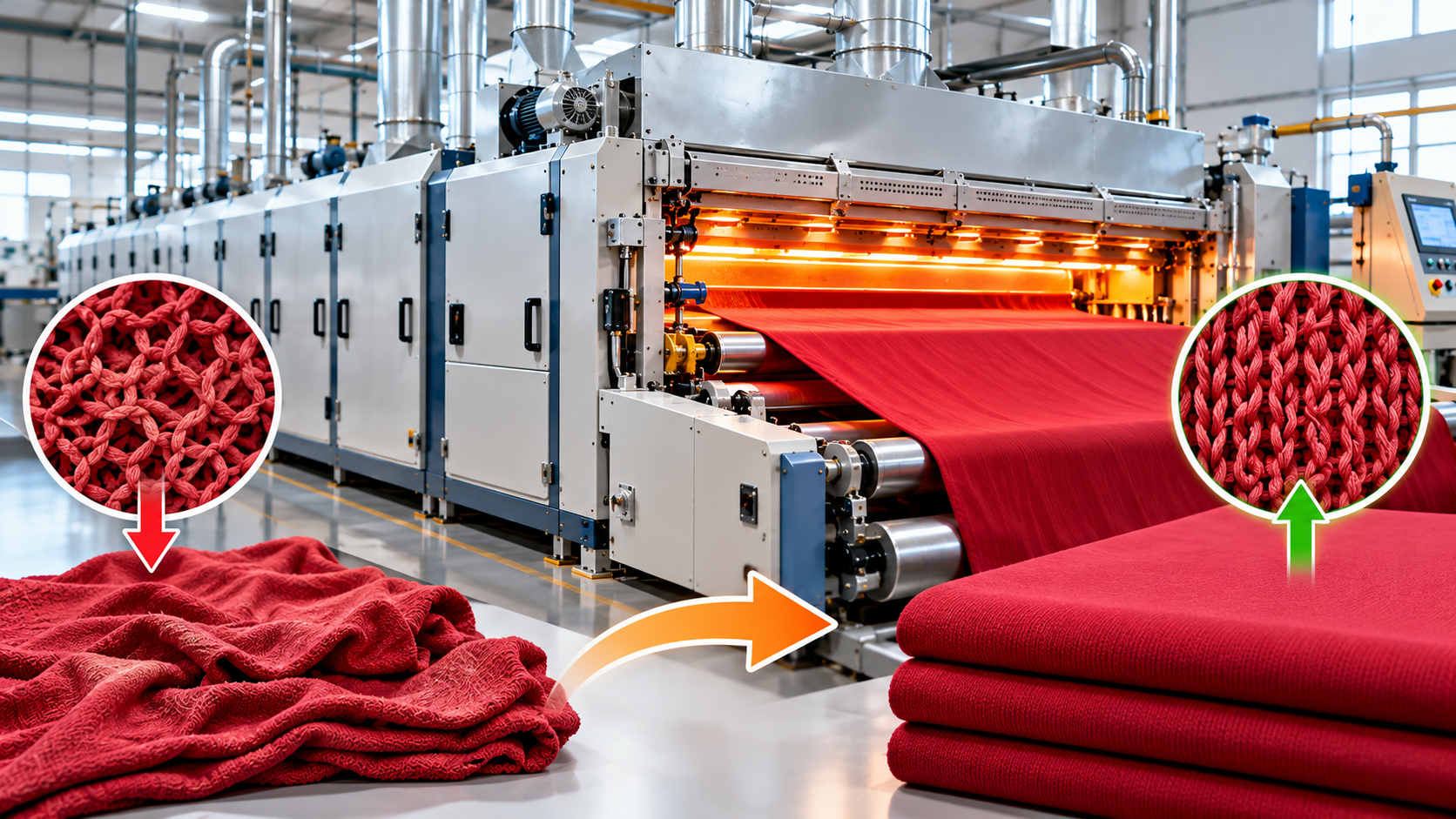
16 Oct 2026
How Does a Stenter Machine Help Control Fabric Shrinkage?
View16 Oct 2026
How Does a Stenter Machine Help Control Fabric Shrinkage?
A stenter machine helps textile manufacturers control fabric width, manage tension, and apply controlled heat during finishing. Learn how temperature, overfeed, airflow, and proper machine settings support dimensional stability and help reduce unwanted shrinkage.
View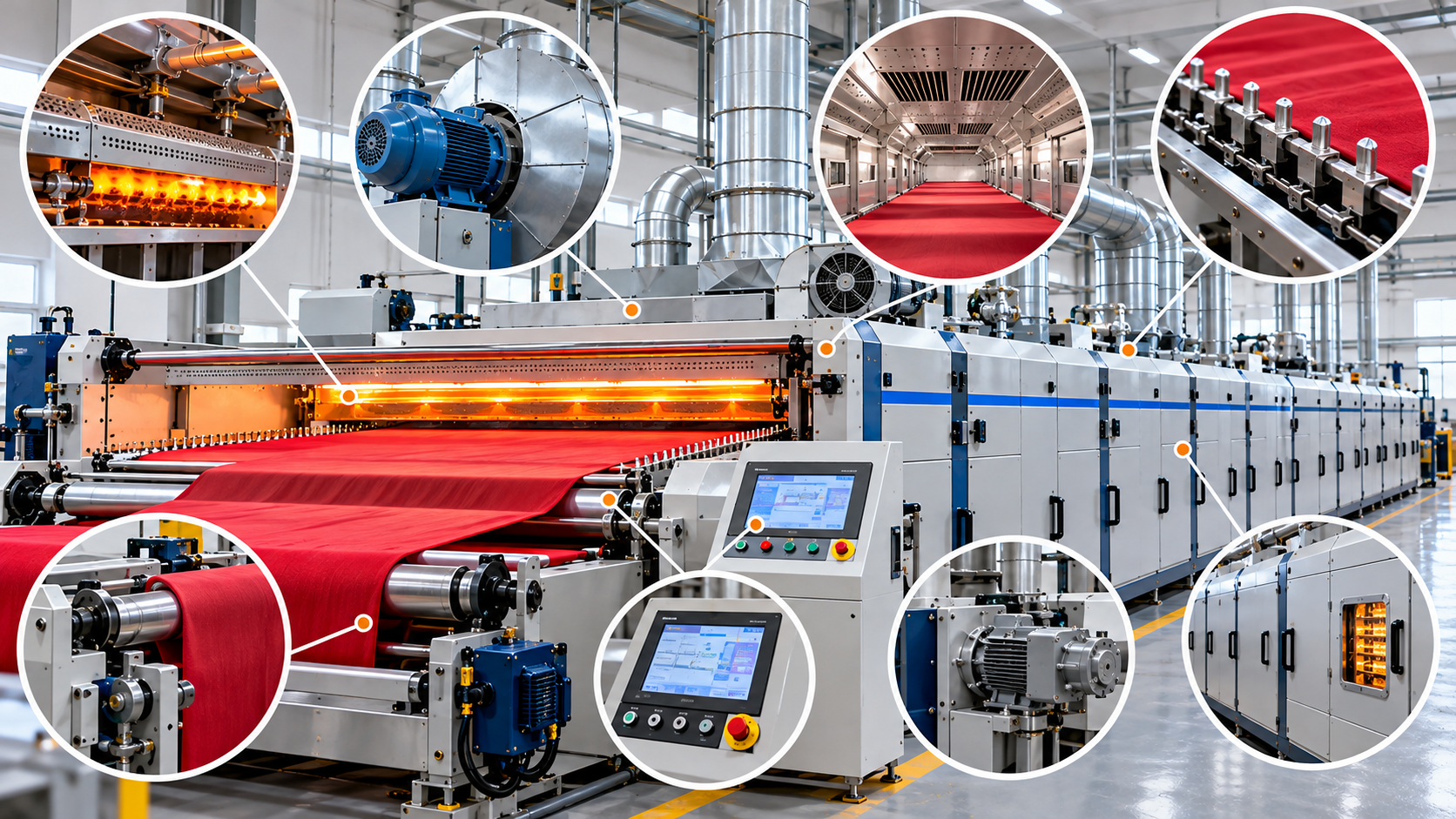
16 Oct 2026
What Specifications Should You Check Before Buying a Stenter Machine?
View16 Oct 2026
What Specifications Should You Check Before Buying a Stenter Machine?
Planning to buy a stenter machine? Learn how to compare working width, temperature control, heating systems, production speed, airflow, energy consumption, safety features, and maintenance support to find the right machine for your textile production needs.
ViewFrequently Asked Questions
Find answers to the most common questions about our machines, services and support.
Uneven dye absorption can result from poor fabric pretreatment, incorrect dye concentration, temperature variations, unsuitable water quality, improper chemical dosing, or poor dye liquor circulation.
Ensure the fabric is properly prepared, dissolve and mix the dye correctly, maintain the recommended temperature and pH, and check that the dye liquor circulates evenly.
Yes. Problems with pumps, filters, nozzles, temperature sensors, or fabric movement can affect dye distribution and produce uneven shades.
Yes. Water hardness and certain dissolved minerals can interfere with dyeing, depending on the dye and fibre. Regular water testing helps maintain consistent results.
Temperature influences dye movement and uptake. Incorrect heating rates or temperature fluctuations can cause some areas to absorb dye differently from others.
Routine cleaning and operational checks should follow the machine manufacturer's recommendations. More detailed inspections should be scheduled according to machine usage, operating conditions, and maintenance requirements.
Sometimes. Depending on the cause, fibre, dye type, and fabric condition, corrective dyeing or other treatments may be possible. Always test the proposed treatment on a sample first.