
Loading…
Loading…
Loading…
Loading blog…
Blog
By Ramana Machines · October 14, 2026
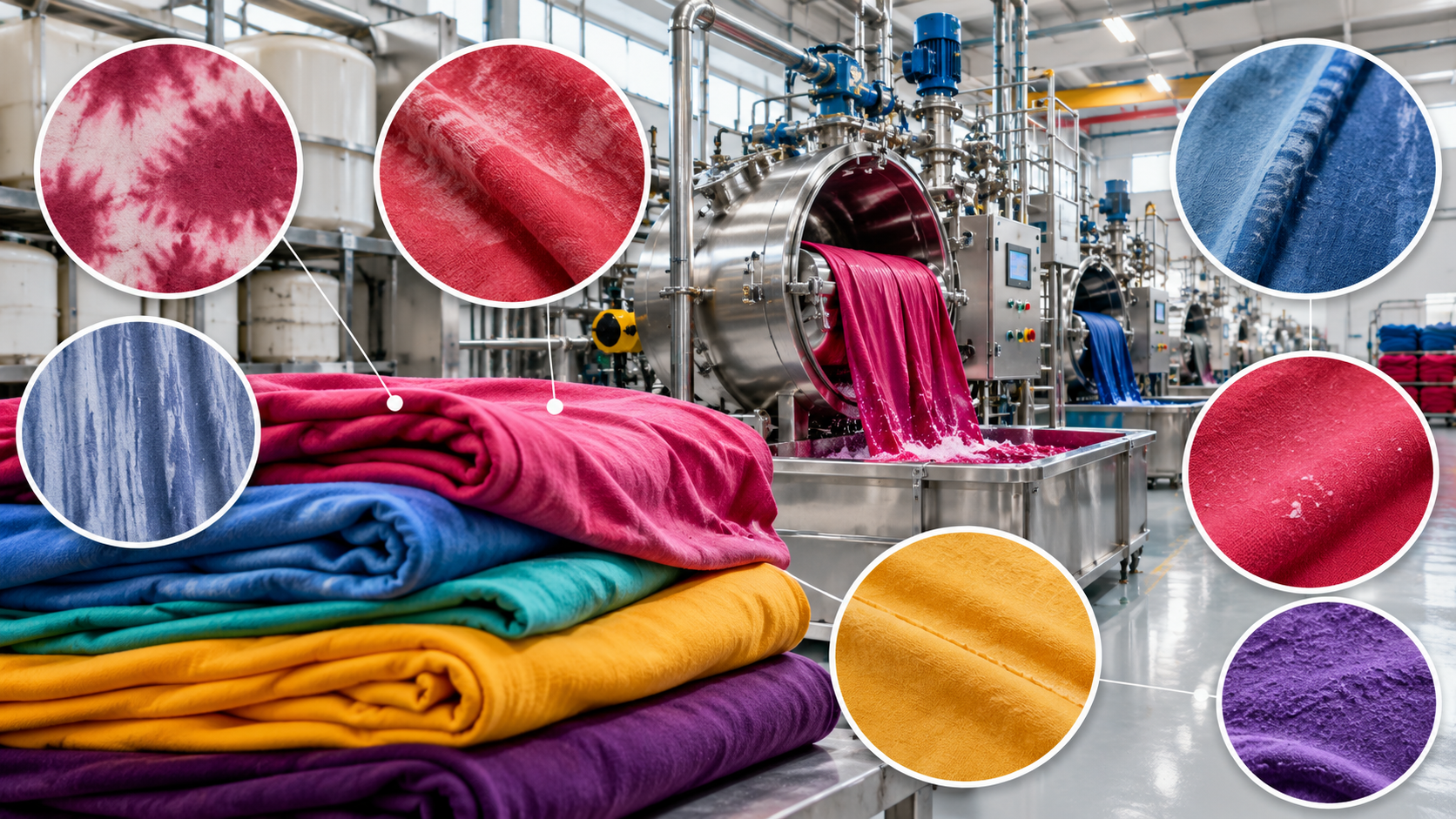
Incorrect dyeing machine settings can cause uneven shades, dark spots, crease marks, streaks, shrinkage, and poor colour fastness. Discover the common causes of these fabric defects and learn how to improve dyeing quality through correct temperature control, proper chemical dosing, machine maintenance, and effective troubleshooting.
Fabric quality plays an important role in textile manufacturing. Even when the correct dyes and chemicals are used, incorrect dyeing machine settings can cause fabric defects. These problems may include uneven shades, colour patches, creases, spots, fabric shrinkage, and poor colour fastness.
Incorrect temperature, dyeing time, liquor circulation, fabric tension, and chemical dosing can affect how dye interacts with the fabric. These issues may lead to rejected batches, additional processing costs, and production delays.
Understanding the common defects caused by incorrect machine settings helps textile manufacturers identify problems early and maintain consistent fabric quality.
Fabric defects can develop when the dyeing process does not follow the requirements of the fabric, dye type, or machine. Even small changes in operating conditions can affect the final result.
Common causes include:
Identifying the actual cause is important because different defects may look similar but require different corrective actions.
Uneven shade occurs when some parts of the fabric appear darker or lighter than others. It is one of the most common problems in textile dyeing.
Possible causes:
How to fix it:
Check the dyeing recipe, temperature profile, and chemical addition sequence. Inspect pumps, filters, and circulation systems to confirm that the dye liquor reaches the fabric evenly. Also, verify that the fabric was properly prepared before dyeing.
Crease marks are visible lines or folds that remain on the fabric after dyeing. They can occur when fabric movement is restricted or the material remains folded under pressure during processing.
Possible causes:
How to fix it:
Follow the recommended loading capacity and fabric movement settings. Check that the fabric circulates freely and avoid unnecessary tension. For crease-sensitive materials, use a suitable machine and processing method.
Dark spots appear when dye becomes concentrated in specific areas instead of spreading evenly throughout the fabric.
Possible causes:
How to fix it:
Prepare the dye solution according to the supplier's instructions. Use appropriate filtration where required, clean the machine between batches, and verify the chemical dosing system. Inspect the fabric and dye solution before beginning full production.
Some fabric sections may appear lighter than the intended shade. This can happen when dye uptake or fixation is insufficient.
Possible causes:
How to fix it:
Compare the actual process conditions with the approved dyeing recipe. Check temperature sensors, pH measurements, and processing time. Confirm that the selected dye and fixation method are suitable for the fibre being processed.
Colour fastness describes how well a fabric retains its colour when exposed to washing, rubbing, light, or other conditions.
Possible causes:
How to fix it:
Follow the recommended dye fixation and washing procedures. Test colour fastness using an appropriate method and check whether the problem comes from dye selection, processing conditions, or incomplete removal of unfixed dye.
Fabric shrinkage occurs when the fabric's dimensions decrease during processing. The amount of shrinkage depends on the fibre, fabric construction, previous treatments, and finishing conditions.
Possible causes:
How to fix it:
Follow the recommended temperature and tension limits for the fabric. Monitor fabric width and length where necessary, and ensure that the drying and finishing stages use suitable settings.
Streaks appear as continuous or repeated lines that differ in colour from the surrounding fabric. Depending on the fabric and dyeing process, they may run along the length or width of the material.
Possible causes:
How to fix it:
Inspect the fabric before dyeing to distinguish existing fabric defects from problems created during processing. Check circulation, loading, tension, and chemical dosing. If the streaks originate from the yarn or fabric construction, changing dyeing settings alone may not resolve them.
Foam can interfere with wetting, circulation, and consistent processing in some dyeing systems. Its effect depends on the machine design and chemicals being used.
Possible causes:
How to fix it:
Check the chemical recipe and water quality. Use only compatible auxiliaries and defoamers when required, following the supplier's instructions. Avoid adding chemicals without identifying the cause of the foam.
Preventing defects is generally more cost-effective than correcting them after production. A consistent process helps improve fabric quality and reduce unnecessary reprocessing.
Maintain documented settings for each fabric and dye combination. Include temperature, processing time, pH, dye concentration, and chemical dosing instructions.
Incorrect sensor readings can cause the machine to operate outside the required conditions. Check calibration according to the manufacturer's recommendations.
Inspect pumps, valves, filters, and nozzles regularly. Proper circulation helps distribute dye and chemicals throughout the fabric.
Follow the recommended capacity and loading procedure. Overloading can restrict fabric movement, while unsuitable loading can contribute to creases and uneven shades.
Check incoming fabric for existing streaks, oil marks, or construction variations. After dyeing, inspect colour consistency, surface appearance, and relevant quality parameters.
Clean tanks and relevant machine components as required. Inspect moving parts, pipelines, seals, and dosing equipment, and arrange preventive maintenance to reduce unexpected faults.
Choosing suitable equipment can help textile manufacturers maintain stable process conditions and reduce the risk of defects. However, the machine must match the fabric type and production requirements.
Before purchasing a machine, consider:
The best fabric dyeing machine is one that suits your process, maintains the required operating conditions, and delivers consistent results when correctly operated and maintained. Compare machine specifications and operating data before making a purchase.
Incorrect dyeing machine settings can cause uneven shades, crease marks, stains, streaks, shrinkage, and poor colour fastness. Most problems can be investigated by reviewing the dyeing recipe, checking the machine's operating conditions, and inspecting the fabric at each stage.
Instead of changing several settings at once, identify the defect, check its likely cause, and conduct a controlled trial. This approach makes troubleshooting easier and helps prevent the same problem from recurring.
Ramana Machines supplies textile machinery for businesses looking to meet their production requirements. If you are planning to upgrade your textile processing equipment, visit Ramana Machines to explore available machinery and discuss your requirements.
Related
16 Oct 2026
16 Oct 2026
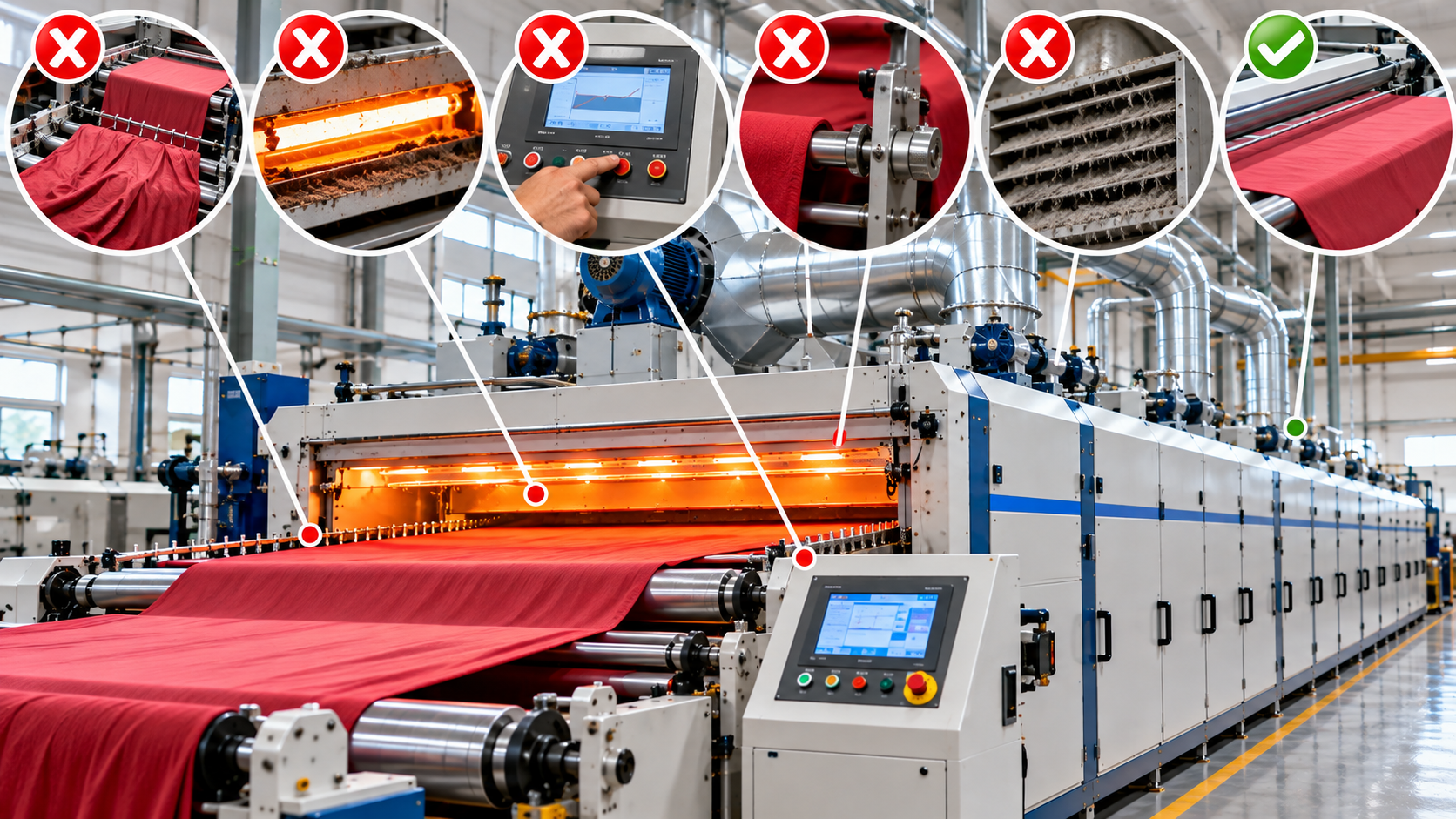
Incorrect temperature, fabric tension, overfeed, and airflow settings can affect stenter machine performance and fabric quality. Learn the common operating mistakes to avoid and how regular maintenance and correct settings can improve textile finishing results.
View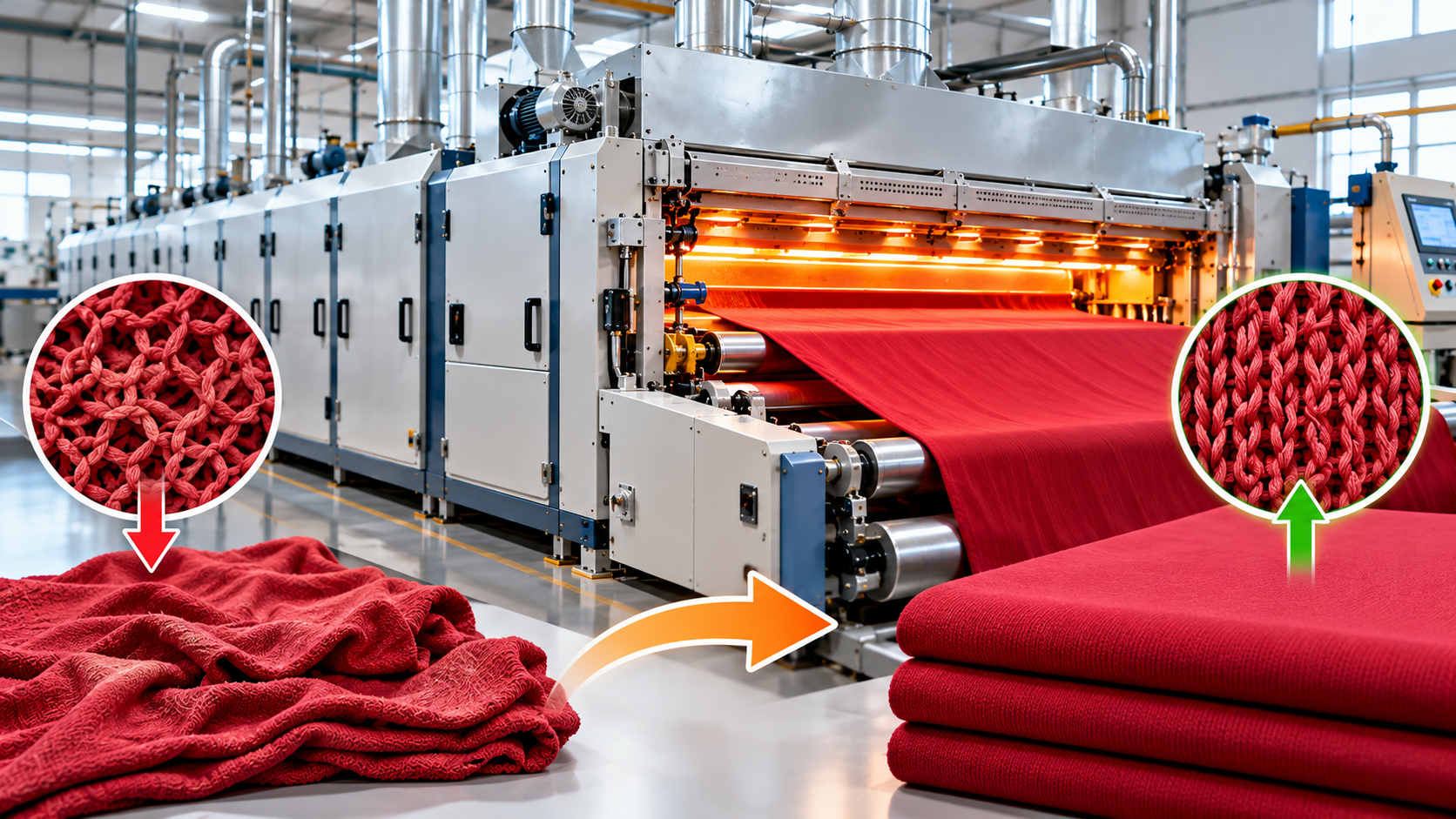
16 Oct 2026
16 Oct 2026
A stenter machine helps textile manufacturers control fabric width, manage tension, and apply controlled heat during finishing. Learn how temperature, overfeed, airflow, and proper machine settings support dimensional stability and help reduce unwanted shrinkage.
View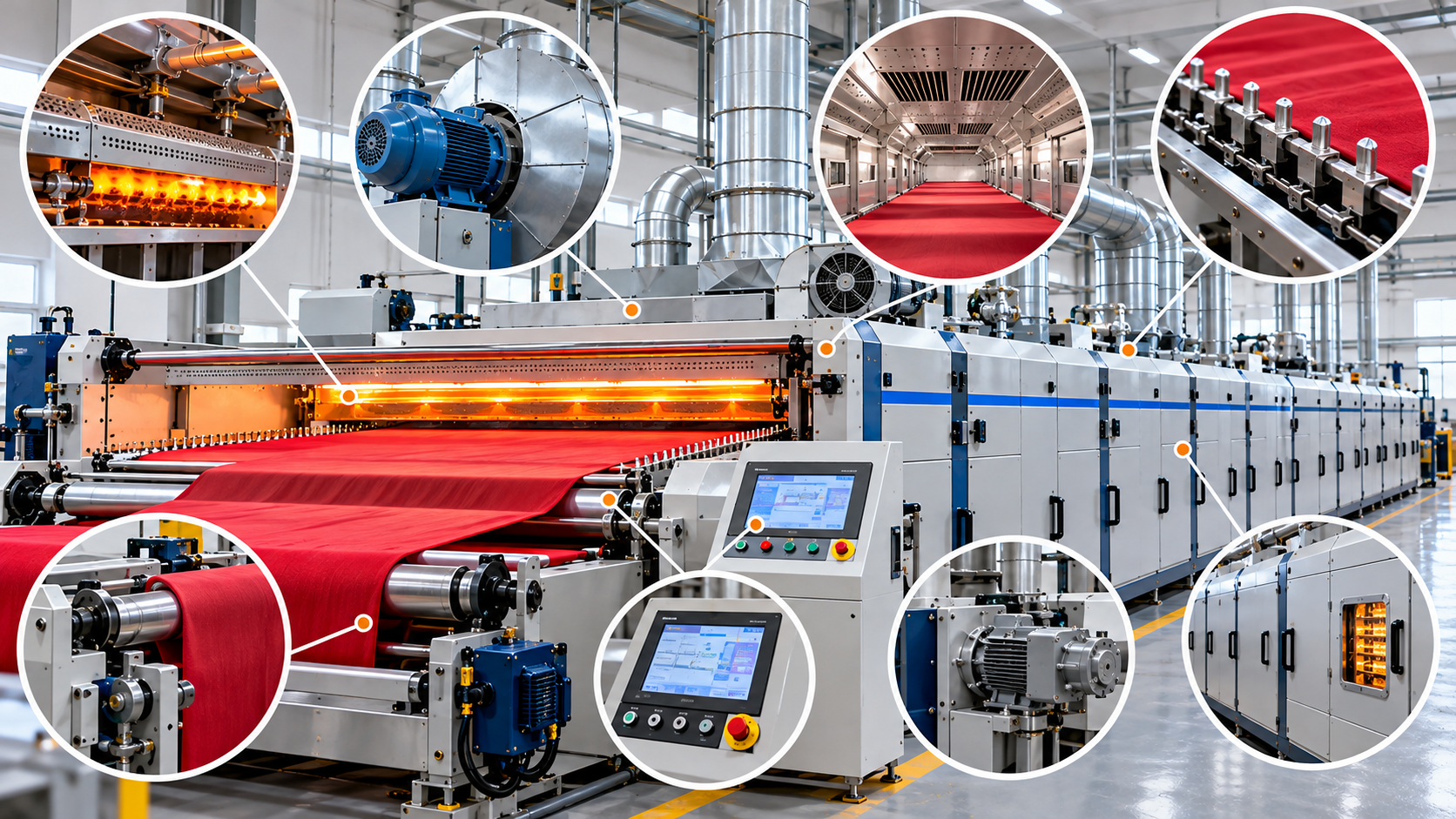
16 Oct 2026
16 Oct 2026
Planning to buy a stenter machine? Learn how to compare working width, temperature control, heating systems, production speed, airflow, energy consumption, safety features, and maintenance support to find the right machine for your textile production needs.
ViewFind answers to the most common questions about our machines, services and support.
Common defects include uneven shades, dark spots, crease marks, streaks, fabric shrinkage, faded areas, and poor colour fastness.
Yes. Temperature affects dye uptake and fixation. Incorrect heating rates or temperature fluctuations can result in uneven shades or other colour defects.
Dark spots may result from undissolved dye, poor chemical mixing, incorrect dosing, or contamination in the dye bath or machine.
Use suitable loading procedures, maintain proper fabric movement, control tension, and follow the machine manufacturer's operating recommendations.
Yes. Regular maintenance helps identify problems with circulation systems, sensors, valves, filters, and dosing equipment before they affect production quality.
Consider fabric type, production capacity, temperature control, circulation, automation, operating costs, and after-sales support. Choose equipment that matches your actual processing requirements.
Some defects can be corrected through suitable reprocessing, but the outcome depends on the fabric, dye, and type of defect. Test corrective treatments on a sample before treating a full batch.