Blog
Why Do Needles Break in Circular Knitting Machines? 10 Causes and Solutions
By Ramana Machines · September 21, 2026
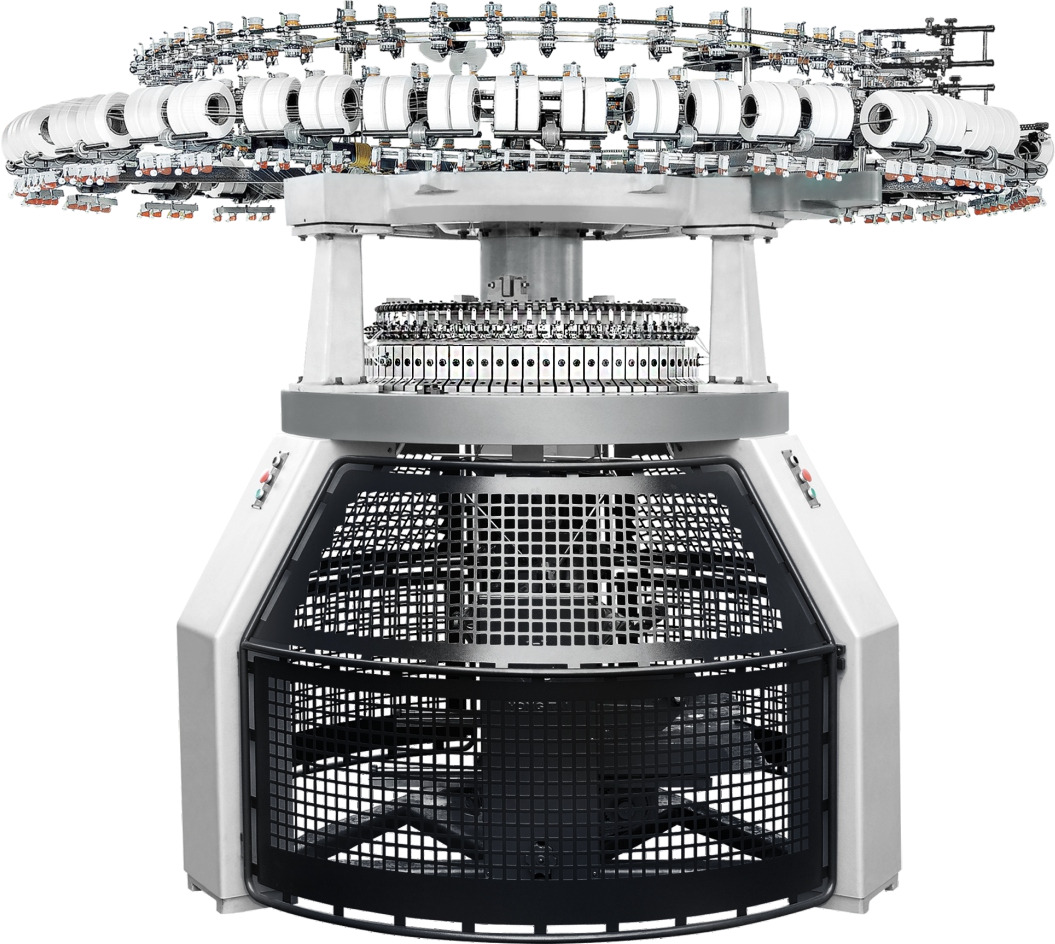
Learn the common causes of circular knitting machine needle breakage, including wrong needle selection, high yarn tension, worn cams, timing problems, yarn quality, machine speed, sinkers, and lubrication.
Why Do Needles Break in Circular Knitting Machines? 10 Causes and Solutions
Needles are important working parts of a circular knitting machine. They move continuously during production and form the stitches that create the knitted fabric. If needles break often, production can slow down and fabric quality can also suffer.
Circular knitting machine needle breakage can happen for many reasons. The problem may be related to the needle itself, yarn tension, cams, timing, sinkers, machine speed, lubrication, or machine settings.
Finding the actual cause is important. Simply replacing the broken needle may not solve the problem if another machine part is causing the damage.
Here are 10 common causes and practical solutions.
1. Incorrect Needle Selection
Using the wrong needle for the machine or production requirement can cause problems during knitting.
Different circular knitting machines use specific needle types and sizes. The needle should match the machine gauge, needle bed, knitting structure, and production requirement.
How to fix it
Before replacing a needle, check:
- Needle type
- Needle size
- Machine gauge
- Needle length
- Machine model
- Required knitting structure
Always use the correct needle recommended for the machine.
2. High Yarn Tension
Excessive yarn tension can put extra pressure on the needle during stitch formation.
High tension may also cause yarn breakage, tight stitches, and uneven fabric.
How to fix it
Check the yarn tension and yarn path. Make sure the yarn moves smoothly from the package through the feeding system to the knitting area.
Make small tension changes and run a test section before continuing full production.
The correct tension depends on the yarn type, machine settings, fabric, and production speed.
3. Worn Cams
Cams control the movement of needles during knitting. Over time, cams can become worn or damaged.
A worn cam may prevent the needle from moving smoothly. This can place extra pressure on the needle and eventually cause it to bend or break.
How to fix it
Check the cam area for:
- Wear
- Damage
- Dirt
- Loose parts
- Rough surfaces
If a cam is badly worn or damaged, it may need to be replaced. Do not continue making major cam adjustments without proper technical guidance.
4. Damaged Needle Hooks
The hook is an important part of the needle because it helps form the stitch.
A damaged, bent, or worn hook may not work correctly and can increase the chance of needle failure.
Common causes of hook damage
- Long-term use
- Incorrect needle selection
- Yarn knots
- Contact with another machine part
- Incorrect needle movement
- Dirt or foreign material
How to fix it
Inspect the needle hook when replacing broken needles. If several needles show similar damage, look for a common machine or yarn-related cause instead of replacing needles one by one.
5. Incorrect Needle Timing
Needle timing controls when needles move in relation to other machine parts.
If the timing is incorrect, the needle may come into contact with another part at the wrong time. This can cause bending, damage, or breakage.
How to fix it
If needles are breaking repeatedly at a particular position, timing should be checked.
Needle timing adjustments should be carried out according to the machine manufacturer's instructions. If you are not trained to make timing adjustments, contact a qualified technician.
6. Poor-Quality Yarn
Yarn quality can also affect needle life.
Knots, thick sections, weak areas, or foreign material in the yarn can create sudden resistance during knitting.
This can put extra pressure on needles and other working parts.
How to fix it
Check the yarn before production.
Look for:
- Knots
- Thick sections
- Weak areas
- Uneven yarn
- Dirt or foreign material
Make sure the yarn is suitable for the machine, gauge, and fabric being produced.
7. Excessive Machine Speed
Running a machine at a speed that is not suitable for the yarn, fabric, or machine condition can increase the chance of needle problems.
Higher speed can also make existing problems more serious.
How to fix it
Use a speed that matches:
- Yarn type
- Machine gauge
- Fabric structure
- Machine condition
- Production requirement
If needle breakage increases after increasing speed, reduce the speed and check whether the problem changes.
Production speed should always be considered together with fabric quality and machine stability.
8. Sinker Problems
Sinkers work with needles during the knitting process. A damaged, worn, or incorrectly positioned sinker can interfere with needle movement.
This can cause needle damage or breakage.
How to fix it
Inspect the sinkers when repeated needle breakage occurs.
Check for:
- Bent sinkers
- Worn sinkers
- Dirt
- Incorrect position
- Damage around the sinker area
If the same needle position keeps causing breakage, inspect the related sinker and surrounding parts carefully.
9. Lack of Lubrication
Proper lubrication helps moving parts work smoothly.
If lubrication is poor, friction can increase. This can lead to heat, wear, rough movement, and damage to working parts.
How to fix it
Follow the machine manufacturer's lubrication instructions.
Check:
- Recommended oil
- Lubrication points
- Oil supply
- Oil level
- Oil flow
- Signs of leakage
Do not add excessive oil. Too much oil can also create problems, including oil stains on fabric.
Regular lubrication should be part of the machine maintenance routine.
10. How to Prevent Repeated Needle Breakage
Replacing broken needles is only a short-term solution if the actual cause is not found.
To reduce repeated needle breakage:
Check Needles Regularly
Inspect needles for wear, bending, hook damage, and other visible problems.
Keep the Machine Clean
Remove lint, yarn waste, and dirt from areas around the needles, sinkers, cams, and other working parts.
Maintain Correct Yarn Tension
Make sure the yarn is moving smoothly and the tension is suitable for the yarn and production requirement.
Check Cams and Sinkers
Inspect cams and sinkers regularly for wear or damage.
Use Suitable Machine Speed
Do not run the machine faster than the recommended or suitable production condition.
Check Needle Timing
If needles repeatedly break at the same location, check needle timing and related machine parts.
Use Suitable Yarn
Poor yarn quality can create sudden problems during knitting. Check yarn quality before starting production.
Follow Lubrication Requirements
Use the correct oil and follow the recommended lubrication schedule.
How to Find the Real Cause of Needle Breakage
When a needle breaks, do not immediately replace it and restart the machine.
Follow these simple steps:
- Stop the machine safely.
- Remove and inspect the broken needle.
- Check where the needle broke.
- Inspect the nearby needles.
- Check the sinker in the same area.
- Inspect the cam.
- Check yarn tension.
- Check the yarn for knots or thick sections.
- Check machine speed and settings.
- Restart at a suitable speed and inspect the fabric.
The location and type of needle damage can provide useful information about the cause.
For example, if needles repeatedly break in the same position, there may be a problem with a specific cam, sinker, needle position, or timing.
When Should Needles Be Replaced?
A needle should be replaced when it is broken, bent, badly worn, or has a damaged hook or latch.
It is also important to check nearby needles when one needle breaks. A broken needle may be a sign that another part of the machine needs attention.
Using damaged needles can lead to fabric defects and may create additional problems during production.
Why Regular Maintenance Matters
Regular maintenance can help reduce needle problems and unexpected machine stoppage.
A simple maintenance routine should include:
- Needle inspection
- Sinker inspection
- Cam inspection
- Cleaning
- Lubrication
- Yarn path checks
- Tension checks
- Machine setting checks
- Regular servicing
Keeping maintenance records can also help identify repeated problems.
If needle breakage increases after a certain amount of production, the record can help the operator or technician understand when the problem started.
Choosing the Right Machine and Support
Needle performance also depends on selecting equipment that matches the production requirement.
When comparing machines, consider the machine gauge, knitting structure, yarn type, production speed, automation, maintenance requirements, and availability of spare parts.
A best automatic circular knitting machine should be selected according to the actual fabric and production requirements rather than based only on automation or speed.
After-sales support is also important. Technical guidance, operator training, maintenance help, and spare parts availability can make machine operation easier over the long term.
Businesses looking for a best textile machinery supplier company in ludhiana should compare machine suitability, technical support, spare parts, installation assistance, and after-sales service along with the machine specifications.
Support from Ramana Machines
Ramana Machines helps textile businesses with circular knitting machinery sourcing, machine selection, installation assistance, operator training, spare parts, and after-sales technical support.
We can help customers identify suitable machinery according to their fabric type, yarn, gauge, production requirements, and machine configuration. We also support China sourcing and imported textile machinery requirements.
If your circular knitting machine is facing repeated needle breakage or you are planning to add new knitting equipment, Ramana Machines can assist with suitable machinery, spare parts, and technical support based on your production needs.