
Loading…
Loading…
Loading…
Loading blog…
Blog
By Ramana Machines · September 21, 2026
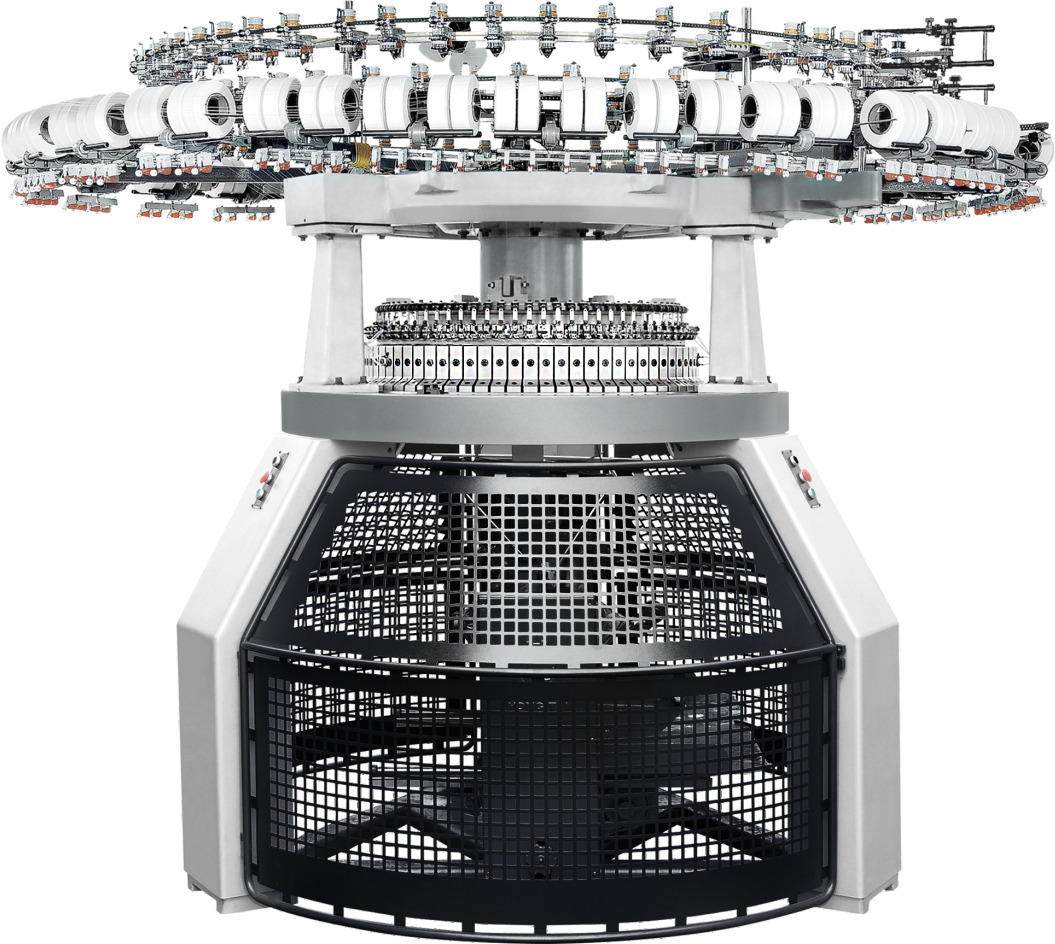
Learn why fabric gets holes in a circular knitting machine. Understand the causes, including yarn tension, broken needles, sinkers, cam problems, yarn feeding, machine settings, and take-down issues.
Fabric holes are one of the common quality problems found during circular knitting. A small hole may look like a simple fabric defect, but it can be caused by several different machine or yarn problems.
The cause may be excessive yarn tension, a broken needle, a damaged sinker, a cam problem, poor yarn feeding, incorrect machine settings, or an issue with the take-down system.
Finding the actual cause is important. Simply changing the machine settings without checking the affected parts may not solve the problem.
This guide explains the main causes of circular knitting machine fabric holes and the simple checks that can help prevent them.
Yarn tension has a direct effect on stitch formation. If the yarn tension is too high, the yarn can be pulled too tightly during knitting.
This can cause:
Check the yarn tension before changing other machine settings.
Make sure the yarn moves smoothly through the yarn path and feeder. Check that the tension setting is suitable for the yarn being used.
Make small adjustments and knit a test section. Avoid making large changes at once.
Broken or damaged needles are a common reason for holes in knitted fabric.
A damaged needle may not form the stitch correctly. It can also affect the stitches around it.
Stop the machine safely and inspect the needles around the area where the hole appears.
Replace damaged needles with the correct type. After replacement, check the machine at low speed and inspect the fabric before returning to normal production.
If the same needle position causes holes repeatedly, further inspection may be needed.
Sinkers help control the fabric and support the knitting process. A damaged, bent, or worn sinker can affect stitch formation.
This may result in:
Inspect the sinkers when a hole appears repeatedly in the same part of the fabric.
Check for wear, damage, dirt, or incorrect movement. Replace damaged sinkers with the correct replacement part.
It is important to check the surrounding area as well because another machine part may be causing the sinker problem.
Cams help control the movement of the needles during knitting. If a cam is worn, damaged, incorrectly set, or dirty, the needles may not move as expected.
This can lead to incorrect stitch formation and holes.
Check the cam area for:
Do not make major cam adjustments without proper knowledge. If the problem continues after basic cleaning and inspection, technical support should be requested.
The yarn must reach the needles smoothly and consistently. If the yarn feeder does not work correctly, the needle may not receive the required yarn.
This can create missed stitches and holes.
Follow the yarn from the yarn package to the knitting point.
Make sure it moves freely and does not catch on any part. Check the feeder and tension system and remove any yarn waste or dirt around the feeding area.
If the yarn breaks or feeds unevenly again after adjustment, inspect the feeder and related parts.
Incorrect settings can affect stitch formation and fabric quality.
Settings related to stitch length, yarn tension, machine speed, and other knitting functions should match the yarn and fabric requirements.
Before production, check the machine settings against the production program.
If you are changing yarn or fabric type, do not assume that the previous settings will work. Make the required adjustments and produce a small test section first.
For computerized machines, also check the selected program and stored settings.
The take-down system helps pull the knitted fabric down as it is produced.
If the take-down force is too high, too low, or uneven, it can affect the way stitches are formed and may contribute to fabric defects.
Check whether the fabric is moving smoothly through the take-down system.
Look for:
If the problem appears repeatedly, the take-down system should be inspected and adjusted according to the machine manufacturer's instructions.
If holes repeatedly appear at the same position, this can provide a useful clue.
The problem may be related to a specific:
Mark the location of the hole on the fabric and check the corresponding machine area.
If the defect moves when a component is replaced or adjusted, it can help identify the source of the problem.
Random holes may be related to yarn or feeding problems rather than one fixed machine position.
Check:
A yarn that contains weak sections or thick knots can create problems during knitting.
Preventing holes is easier than dealing with repeated fabric defects during production.
Follow these simple practices:
Inspect needles before production and replace damaged or worn needles.
Remove lint, yarn waste, and dust from the needle and machine areas according to the machine's cleaning instructions.
Use suitable yarn and check the yarn package for knots, weak areas, or other visible problems.
Do not use excessive tension. The setting should match the yarn and production requirement.
Make sure yarn feeders are clean and working properly.
Use settings that match the yarn, fabric, gauge, and production requirement.
Make sure the fabric is being pulled smoothly and evenly.
Regular inspection can help identify worn needles, sinkers, cams, feeders, and other parts before they cause major fabric defects.
When you find a hole in the fabric, follow this order:
This step-by-step approach can help you find the actual cause instead of repeatedly changing settings.
A part should be checked for replacement when it is damaged, badly worn, or repeatedly causing production problems.
Important parts to monitor include:
Using the correct replacement part is important. The wrong part may create new knitting problems or affect machine performance.
Businesses searching for the best textile machinery spare parts supplier company in Ludhiana should also compare spare part availability, technical support, product compatibility, and after-sales service rather than looking only at price.
Fabric quality starts with selecting equipment that matches the production requirement.
When choosing a circular knitting machine, consider the fabric type, gauge, yarn, production volume, machine configuration, automation, and available technical support.
A best Computerized Circular Knitting Machine for one production requirement may not be suitable for another. The machine should be selected according to the type of fabric and production process.
Ramana Machines helps textile businesses with circular knitting machinery sourcing, machine selection, installation assistance, operator training, spare parts, and after-sales technical support.
We can assist customers in selecting suitable circular knitting equipment based on fabric type, yarn, gauge, production requirements, and machine configuration. We also support China sourcing and imported textile machinery requirements.
If you are facing repeated fabric holes or other circular knitting problems, Ramana Machines can help with suitable machinery, spare parts, and technical support based on your production needs.
Related
16 Oct 2026
16 Oct 2026
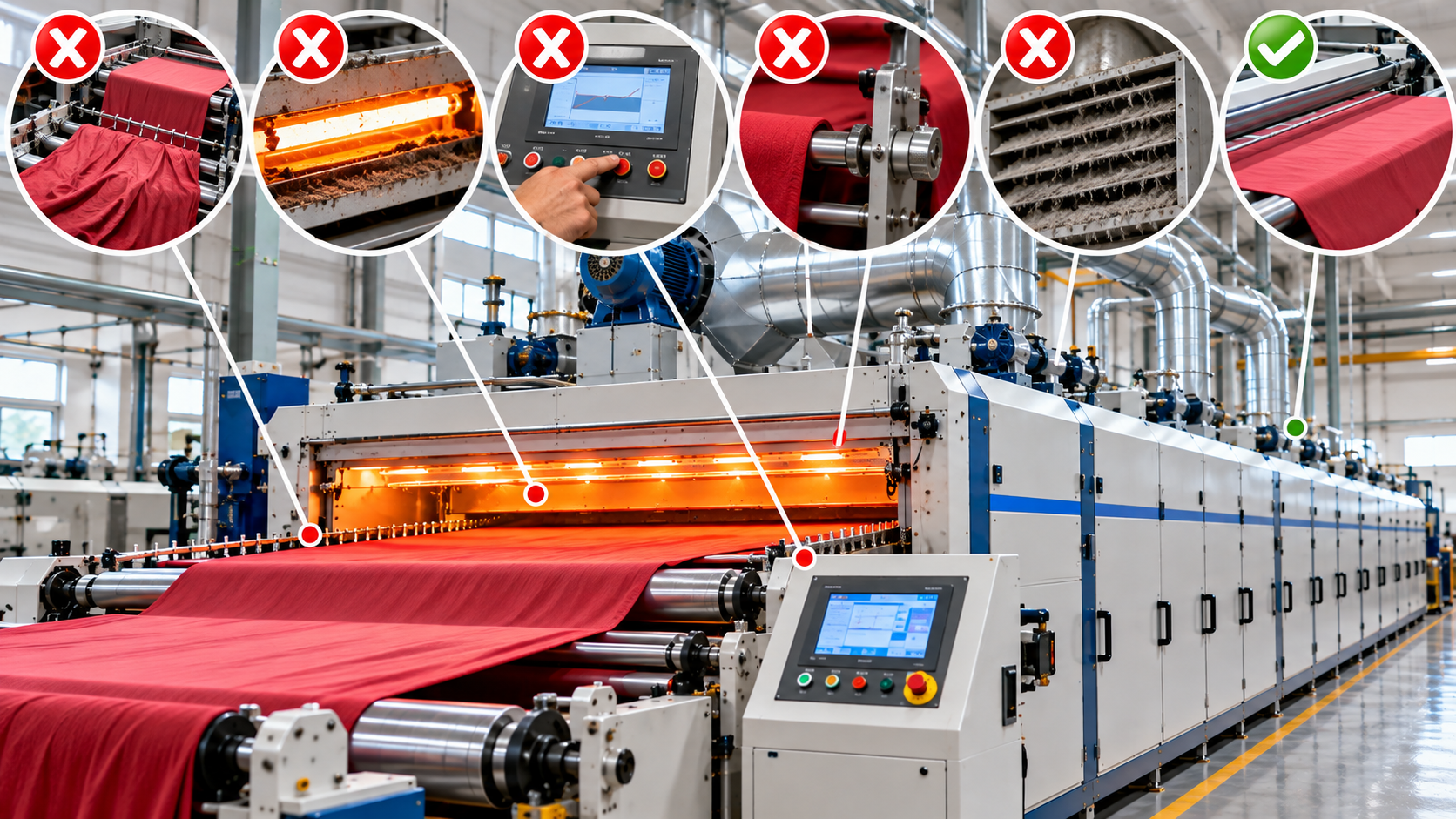
Incorrect temperature, fabric tension, overfeed, and airflow settings can affect stenter machine performance and fabric quality. Learn the common operating mistakes to avoid and how regular maintenance and correct settings can improve textile finishing results.
View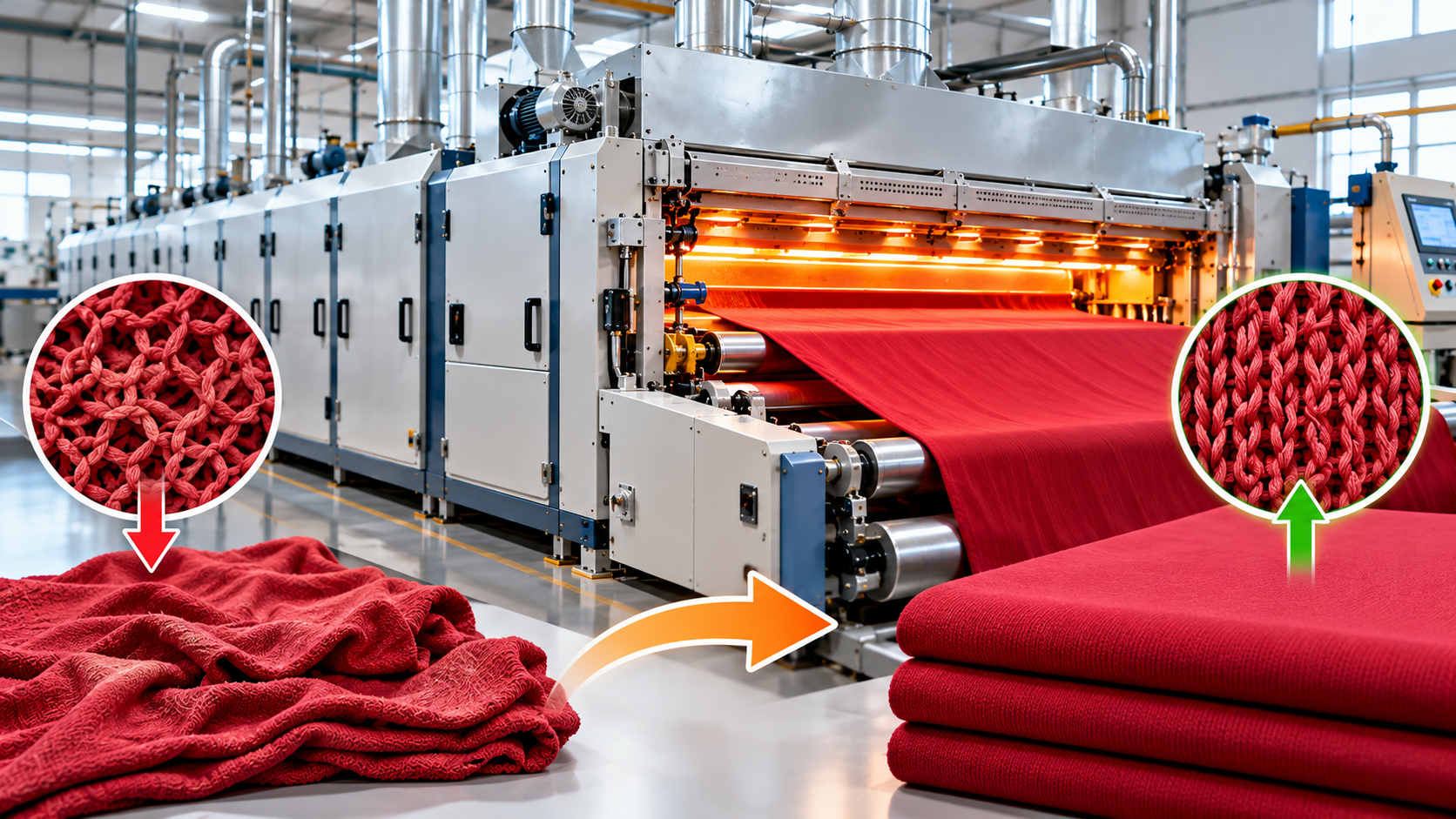
16 Oct 2026
16 Oct 2026
A stenter machine helps textile manufacturers control fabric width, manage tension, and apply controlled heat during finishing. Learn how temperature, overfeed, airflow, and proper machine settings support dimensional stability and help reduce unwanted shrinkage.
View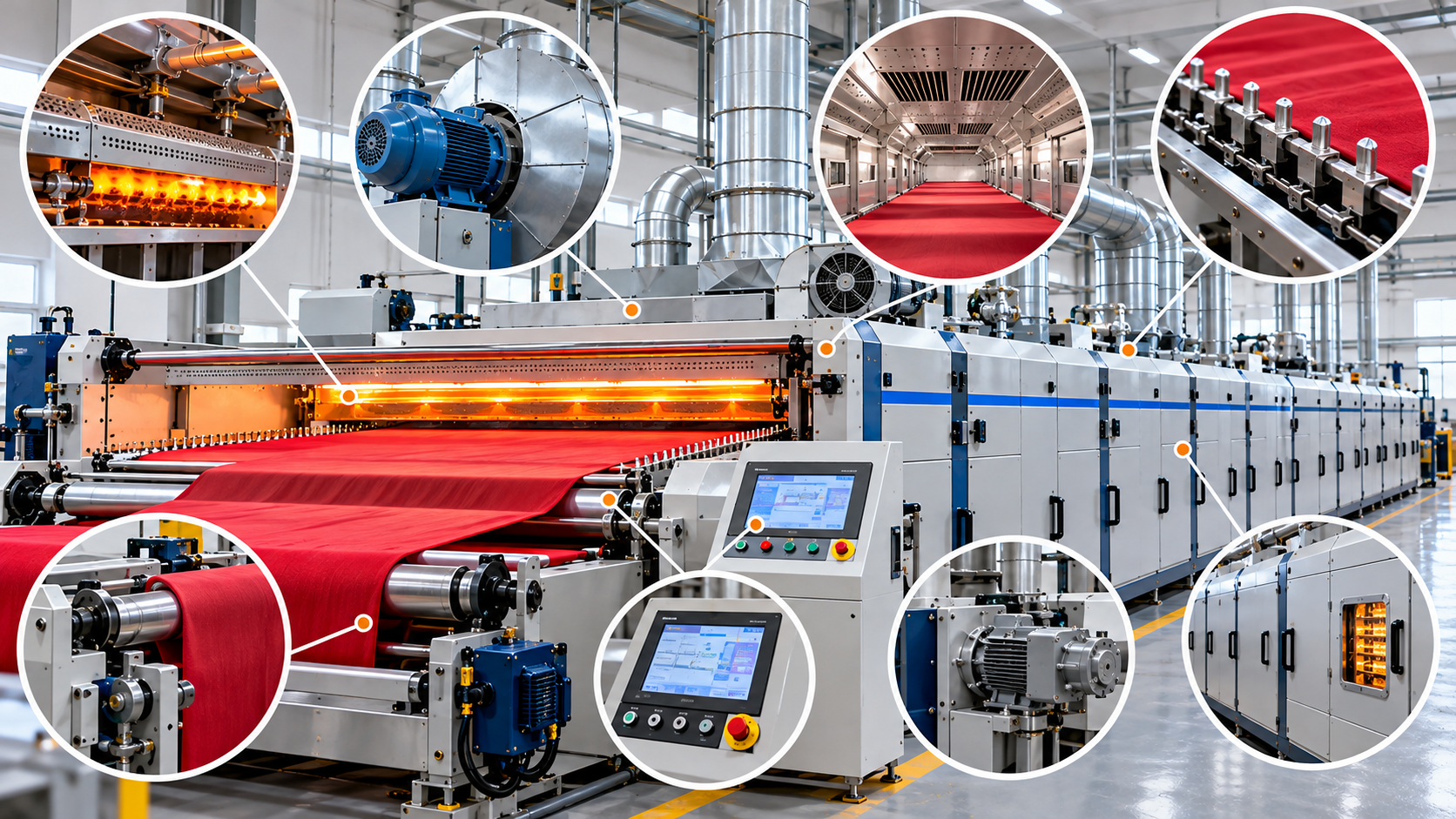
16 Oct 2026
16 Oct 2026
Planning to buy a stenter machine? Learn how to compare working width, temperature control, heating systems, production speed, airflow, energy consumption, safety features, and maintenance support to find the right machine for your textile production needs.
ViewFind answers to the most common questions about our machines, services and support.
Fabric holes can be caused by broken needles, damaged sinkers, excessive yarn tension, cam problems, yarn feeding issues, incorrect machine settings, or take-down problems.
Yes. Excessive yarn tension can make the yarn too tight and may cause yarn breakage, missed stitches, or weak areas that result in holes.
Yes. A broken or damaged needle may fail to form the stitch correctly, which can create a hole in the knitted fabric.
A damaged or worn sinker may not control the fabric correctly during knitting. This can affect stitch formation and create holes or other fabric defects.
Yes. A damaged, worn, dirty, or incorrectly set cam can affect needle movement and lead to incorrect stitch formation.
If yarn does not reach the needles smoothly, the machine may miss stitches. Problems with the yarn feeder, yarn path, yarn tension, or yarn quality can cause this issue.
Yes. Incorrect stitch settings, yarn tension, machine speed, or other knitting settings can affect stitch formation and fabric quality.
Yes. Incorrect or uneven take-down can affect how the knitted fabric moves through the machine and may contribute to stitch and fabric problems.
Repeated holes in the same location may indicate a problem with a specific needle, sinker, cam, feeder, yarn path, or another machine part in that area.
Regularly inspect needles and sinkers, maintain correct yarn tension, check yarn quality and feeding, keep the machine clean, use correct settings, and follow the recommended maintenance schedule.
It is better to stop and identify the cause. Continuing production can increase fabric waste and may allow a small machine problem to become more serious.
Contact technical support when holes continue after basic checks, when machine parts appear damaged, or when the problem involves cams, take-down systems, sensors, electrical components, or repeated machine errors.